
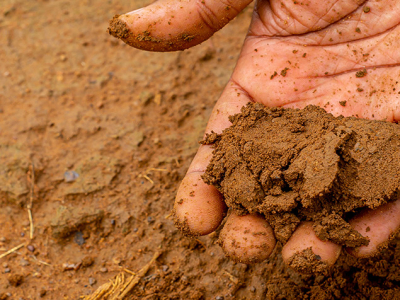
Soil pH is an excellent chemical indicator of soil condition (quality and its ability to avail both macro and micronutrients to the crop) on top of other soil structural quality properties. The soil pH also affects microbial activities in the soil which can impact crop growth and yield.
Why is soil sampling and analysis important?
The objectives of soil sampling and analysis are to:
1. determine the average nutrient status in a field
2. determine pH and recommend soil conditioning
3. determine clay content for herbicide application
4. determining crop types to be grown and for irrigation purposes
5. obtain a measure of nutrient variability in the field.
When the variability is known, fertilizer application can be adjusted to more closely meet the supplemental nutrient needs of a crop for specific field areas. Correct fertilizer nutrient use can result in increased yield, reduced cost, and reduced potential environmental pollution.
It is important to sample soils for analysis after every 3-4 years, depending on soil type.
How to sample soils
The most commonly used procedure for soil sampling would be based on soil type.
Fields are split into sampling blocks that contain similar soils e.g. block A, B, C and so on.
Hillsides are kept separate from bottoms since the soil types will vary greatly.
Soil survey maps, if applicable, can help organize the soil types throughout the sampling area. Samples will not necessarily need to be collected for every soil type; however, similar soils should be kept together.
The zigzag, random, the cross diagonal methods are commonly used and recommended where samples are taken in a zigzag or in a cross diagonal format from a block. This will result in a sample which scientifically represents the whole block.
The sampling block will be dependent on the soils and topography. Generally, a block of 10-20 ha is considered the maximum size.
Smaller sampling blocks may be needed if the soils are quite variable or a production problem is apparent and evident.
Once the sampling block is determined, a sufficient number of sites/cores should be taken to acquire a representative sample. This is generally 10 to 20 sites. The depth of sample for surface soils would be about 20cm or as deep as the primary tillage or specifically as deep as the root zone of intended crop(s). This is also called the tillage layer.
The most commonly used tools for taking samples are augers, probes, hoes or sometimes shovels.
Samples from different sites in a block are then mixed thoroughly and bagged into a khaki pocket and labelled. The samples should be sun dried to remove moisture before being bagged. Information on the labels should include farmer name, farm name, contact details, block name, date taken and intended crop before they are submitted for analysis to approved laboratories.


0 Comment (s)
Post your comment